
The biggest environmental problems we are currently facing include climate change, waste and loss of biodiversity.
Climate change
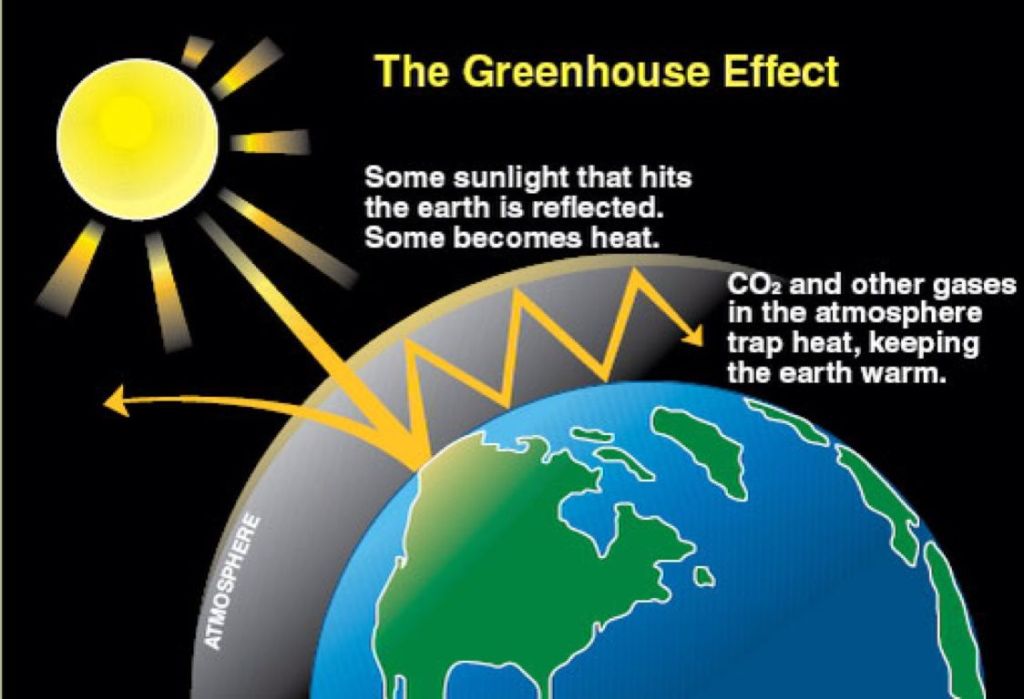
Climate change is caused by “greenhouse gases” building up in the atmosphere at levels that have not been there for millions of years. Greenhouse gases include carbon dioxide and methane. These gases are trapping more heat of the sun in the earth’s atmosphere. This causes more “extreme weather events” such as storms, heavy rains and winds. It causes more floods in some areas and more droughts in other areas. It melts glaciers and ice sheets, causing sea levels to rise. This causes many problems for us as people, especially the poorest and most vulnerable people. It also contributes to loss of biodiversity.
The main reasons greenhouse gases are building up in the atmosphere are:
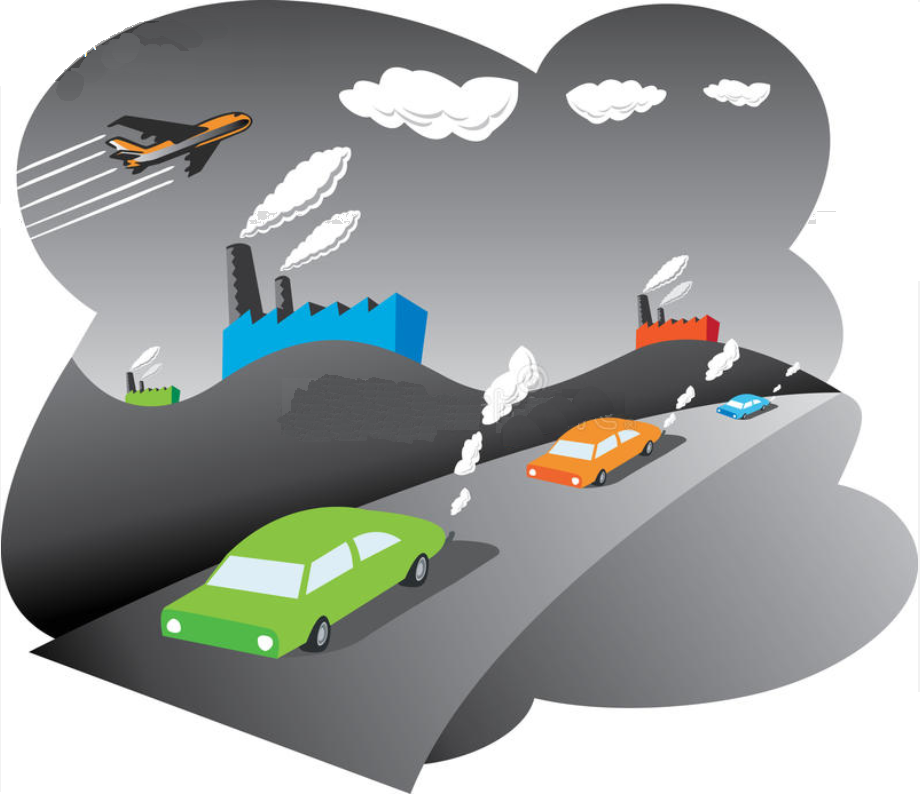
Burning fossil fuels: Fossil fuels are fuels which were made millions of years ago. They include coal, petroleum oil and natural gas. People burn these fuels to generate electricity, to produce industrial products including artificial fertilizer, for transport of both goods and people and for cooking and heating. When we extract and burn these fuels we are releasing carbon dioxide which has not been in the atmosphere for millions of years back into the atmosphere, in amounts which the carbon dioxide cycle cannot absorb again quickly. The carbon dioxide released by burning fossil fuels today accumulates in the atmosphere and will upset the carbon dioxide balance for thousands of years to come.
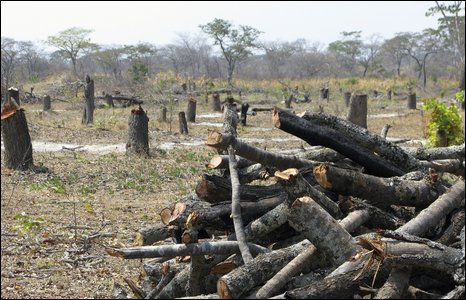
Deforestation: Plants take in carbon dioxide and, using the sun, they convert it to carbon which they store as wood, which eventually rots into the soil. Trees, more than other plants, are generally the most effective at taking in carbon dioxide. When land which was previously forested is no longer forested, less carbon dioxide is taken in from the atmosphere, disrupting the carbon cycle, and causing the levels of carbon dioxide in the atmosphere to rise.
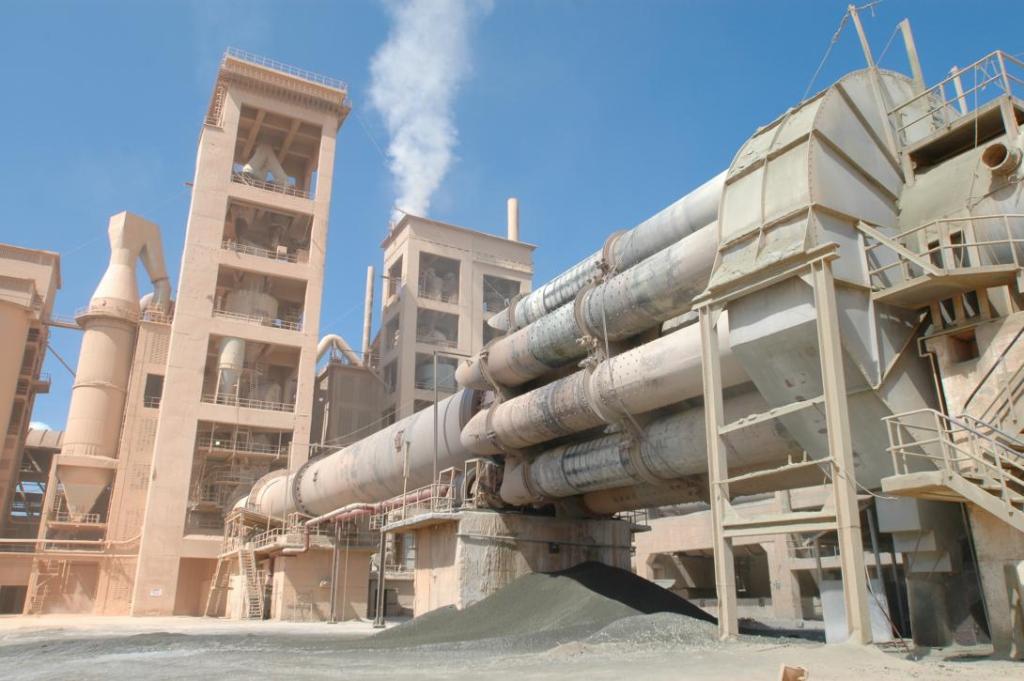
Chemical processes: Cement production produces carbon dioxide chemically from lime, as well as carbon dioxide from burning fossil fuels.
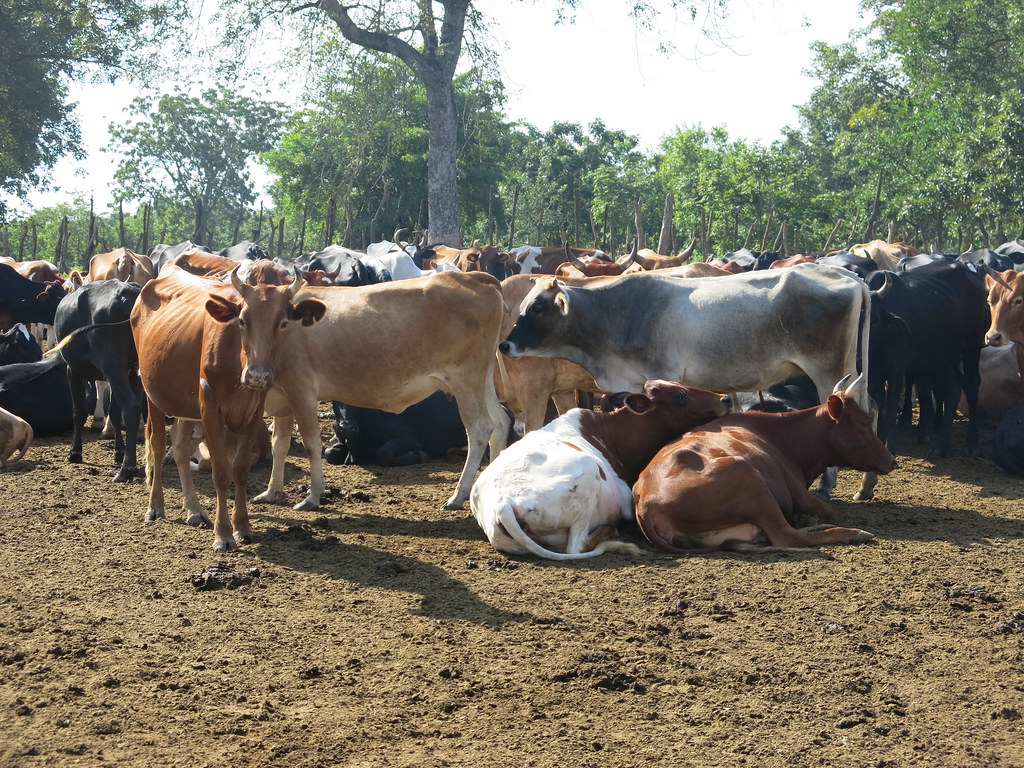
Methane: “Ruminant” animals such as cows, sheep and goats, produce large quantities of methane during their digestive process. When people breed very large numbers of cattle, this raises methane levels in the atmosphere. Another source of methane is from certain types of rice paddies (though much less than cows).
Waste
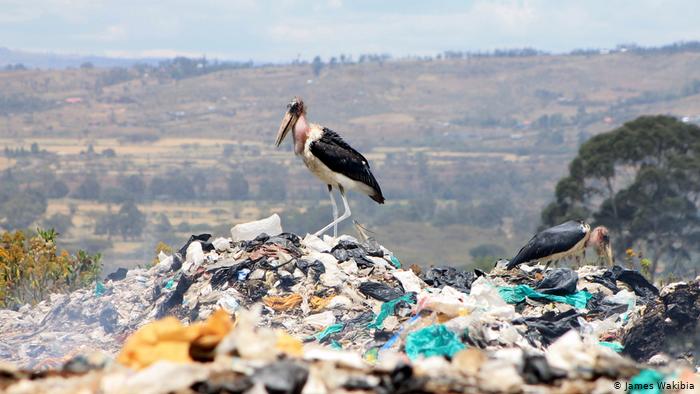
Some waste is part of natural cycles – this is called bio-degradeable waste. Bio-degradeable materials (such as food scraps and peelings, leaves, paper, wood and human/animal waste) break down into soil, and can often be good for the soil. Some materials take longer to bio-degrade than others.
Some materials such as metals do not biodegrade, but are a natural part of the earth’s crust anyway. However, reusing and recycling metals is important to ensure rare metal elements remain accessible to future generations and to reduce the need for new and energy intensive mining activity.
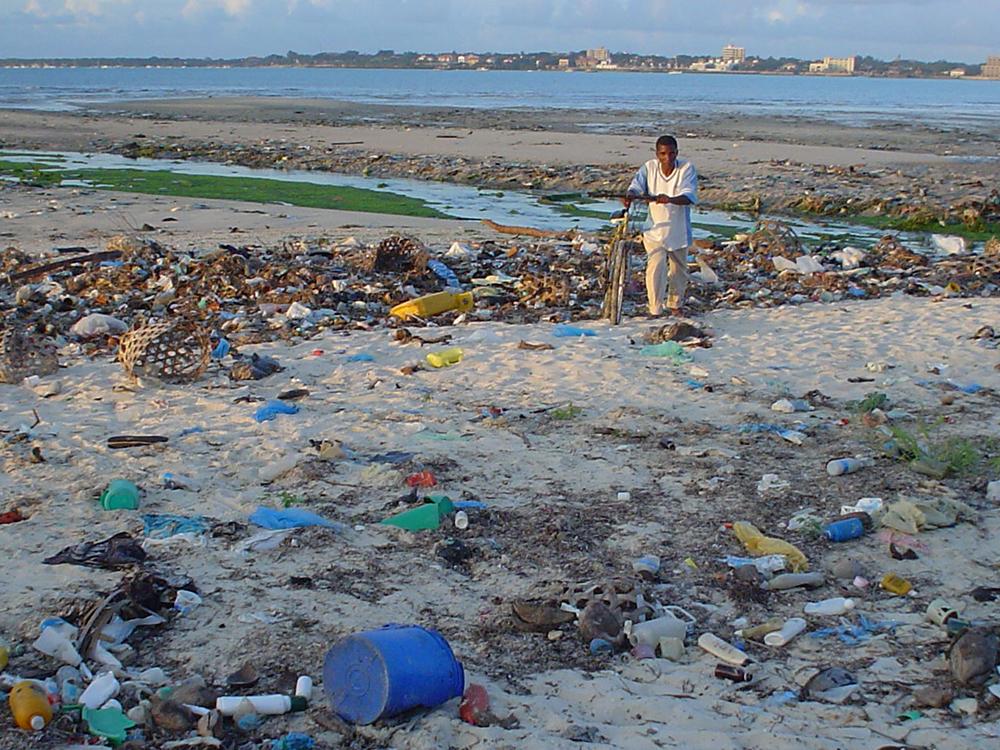
Plastic is not a natural material but produced by people using oil, and it either remains as plastic or plastic particles for hundreds of years, or is burnt releasing harmful gases to the atmosphere. Single-use plastic means plastic which is produced, used once or maybe twice, and then thrown away. For the sake of that short time of use, the plastic will pollute the land, the atmosphere, or worst of all the ocean, with harmful plastic particles and toxins, for thousands of years. Dar es Salaam is a coastal city, as we have a particular responsibility not to let plastic get into the ocean, where toxic plastic particles are eaten by fish and marine life.
Loss of biodiversity
There are millions of species of plants, animals and other life forms on the earth – this is called biodiversity. Scientists are learning new things about diverse forms of life every day, and this knowledge has helped us as people in many ways, from giving us medicines to helping us grow food. However, people are destroying the biodiversity of the earth faster than we can even learn about it. Even before people, species died out (called extinction) and new species evolved. However, people have caused the extinction rate to be much faster than it has been for millions of years. People have caused this mostly by taking over or hugely changing the natural habitats of living things, and disrupting natural cycles.

Developed by Elaine in 2019. Contact me on Mastodon if you’d like to help update this website mastodon.ie/@ElaineActivism . If you don’t have a Mastodon account, you can join here mastodon.social
 Kijanisha Dar ! - Dar Green Guide