
How you get around can have a big impact on fossil fuel emissions. Here are transport options in order of preference:

Don’t go, don’t go far or go less frequently! For example, would that work meeting be just as easily done via video call as in person? Video conferencing is getting more and more effective, and we have good internet connections in Dar es Salaam. For leisure, consider options that are close by, such as our wonderful beaches in Dar es Salaam, or the great destinations in Tanzania and Kenya which are accessible by bus or ferry. If taking a trip, try to make fewer trips for longer periods instead of many short trips.
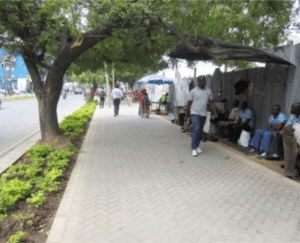
Walk / run! For short distances, try walking or running, you will also build fitness into your day more easily by doing your fitness and your transport at the same time!
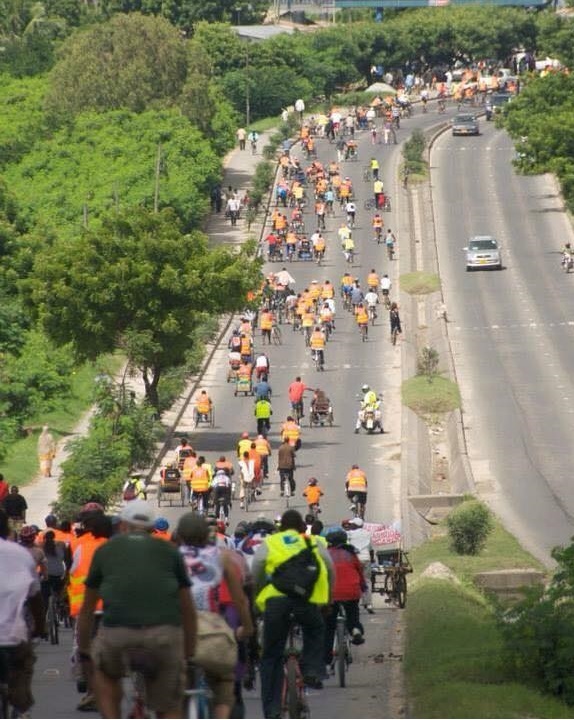
Cycle! Cycling is a wonderful way to get around Dar es Salaam, and also means your fitness is built into your day through transport, no need to go to a gym. Join the Dar es Salaam cycling community UWABA. Our cycling infrastructure is improving, with many bigger roads having service roads and cycle paths if you don’t want to go on the road, and many smaller roads either having speed bumps or just being dirt roads anyway, which reduces traffic speeds. Dar es Salaam is quite flat, which makes it ideal for cycling. Our climate makes for pleasant cycling, in the early morning and close to sun down it is especially pleasant. By cycling, you instantly become a VIP allowing you to pass all the traffic jams, and there are plenty of times in Dar that a cyclist will get there faster than someone in a vehicle! If you don’t want to arrive sweating you can bring a change of clothes and ask people your destination building or workplace if there are showering facilities, or ask them to install them if not! If you ask the askaris in most buildings, you may find that there is often a place to shower or bucket-shower already, that you may not know about.
Use bicycle/tricycle delivery service! Fasta Cycle Messengers is Dar es Salaam’s only 100% non-motorised bicycle/tricycle delivery service – phone 0714132782 (07141FASTA). They will even do your shopping for you if you don’t have time!
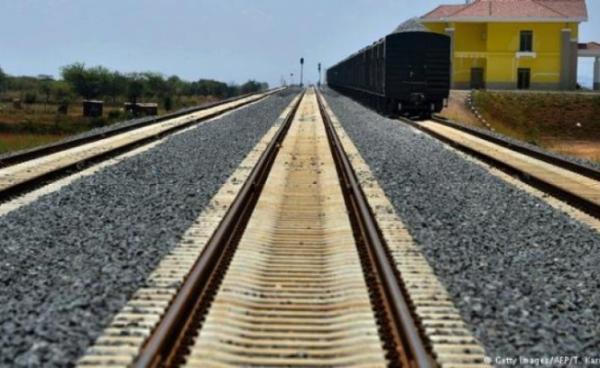
Train is one of the lowest carbon emitting forms of motorized transport. A Dar es Salaam – Dodoma high speed train system is being built right now – hopefully ready in a year or so. When it is, hopefully the number of flights between Dar and Dodoma will decrease. There are also trains from Dar to Zambia (TAZARA), from Dar to Kigoma or Mwanza via Dodoma, and a recently re-opened service from Dar to Moshi. Hopefully train services will improve over time as Tanzania invests more in rail.
Bus is a relatively low-carbon form of transport, because the emissions from 50 people travelling in one bus is much lower than the emissions from 50 people travelling in many cars.
Bus within Dar es Salaam – we have a great modern and comfortable DART (mwendo kasi) service between Kivukoni, Gerezani, Morocco junction and along Morogoro road to Ubungo/Kimara/Mbezi, which is also being expanded onto new routes. We are also lucky to have very frequent and plentiful transport options on dala dalas, which go all over the city and for which you never have to wait long. Dar es Salaam has a great variety and frequency of buses relative to other cities in the world! Research your local routes and bus transport options by asking people and trying them out!
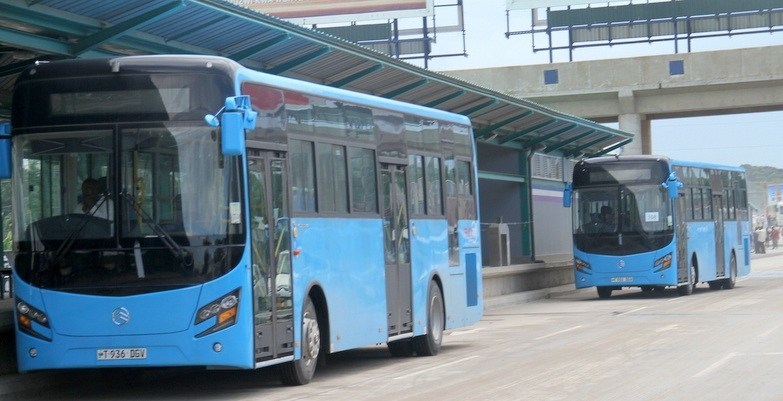
Bus for up-country travel – Tanzania also has a great network of up-country buses, with comfort and safety greatly improved over the past number of years. For up-country travel, take the bus as your first option!
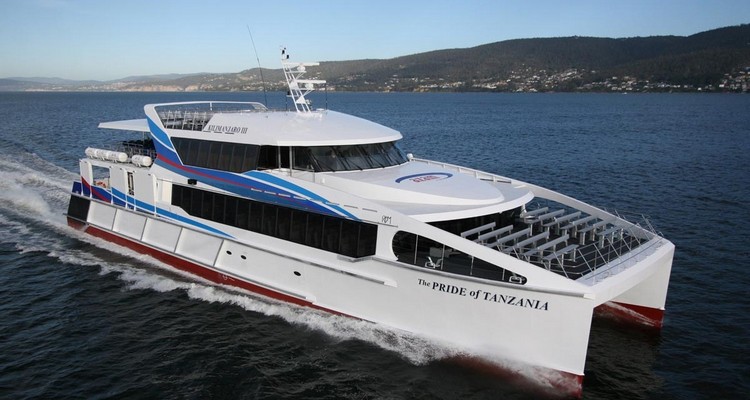
Ferry – the ferry to Zanzibar has much lower carbon emissions per passenger than flying to Zanzibar. When you go to Zanzibar – take the ferry!
Motorbike and bajaji – you can get around Dar es Salaam quite well in motorbikes and bajajis, which can burn less fuel than cars.
Cars – cars have higher carbon emissions per person than all the above options. It is very possible to live well and comfortably in Dar es Salaam without owning a car, and you will save yourself the cost of buying one, tax, insurance, repair costs, fuel costs, parking fees and a lot of time sitting in traffic jams if you just don’t have one! Cars also take energy to produce as well as to use. If you have to take a car, consider whether multiple people can share the car rather than each person going in a different car – discuss with your family, neighbours, classmates and co-workers about sharing. Ride-sharing taxi services such as uber and taxify normally mean that at least the driver may pick up another passenger at your destination so won’t be wasting emissions by driving back to a taxi rank with an empty car, and you can get a lot of ride-sharing taxis when you do need them, for the cost of owning and running a car!
Don’t fly / fly less! Flying is the form of transport with the most carbon emissions per passenger per kilometre. If you have never flown – congratulations – your carbon footprint is much lower than people who have. Flying less can be the single most effective way of reducing your carbon footprint. Try to take fewer trips to other continents, especially for work/business – consider video conferencing and webinars instead. Within Africa – car travel is better than flying, and buses are better than cars. For leisure, “slow” travel means that you really experience the places you visit, rather than flying over them.

Developed by Elaine in 2019. Contact me on Mastodon if you’d like to help update this website mastodon.ie/@ElaineActivism . If you don’t have a Mastodon account, you can join here mastodon.social
 Kijanisha Dar ! - Dar Green Guide