Reduce and reuse! By far the best thing you can do about waste is not to produce as much waste in the first place. Even waste which is bio-degradable often used fossil fuel energy to produce and transport, so reduce the amount of new and unnecessary items and packaging you buy. A great facebook page with lots of tips on how to do this is Zero Waste Tanzania.
Reduce food waste! Don’t buy more perishable food than you need. Finish your food, save it for later, or find someone in your household who will eat it! For food scraps which people can’t eat, they often can be fed to chickens or other animals.
Compost
For non-edible biodegradable waste such as food peelings, garden leaves or cuttings, and most paper, composting is the best thing to do.
If you compost these items, you create valuable nutritious soil. On the other hand, if you send your food scraps to dumps mixed up with plastic and other materials they can produce larger amounts of methane, and if you burn them you release carbon dioxide.
Composting is very easy! The Practical Permaculture Institutes of East Africa sometimes run composting courses in Dar es Salaam, and you can also just learn online!
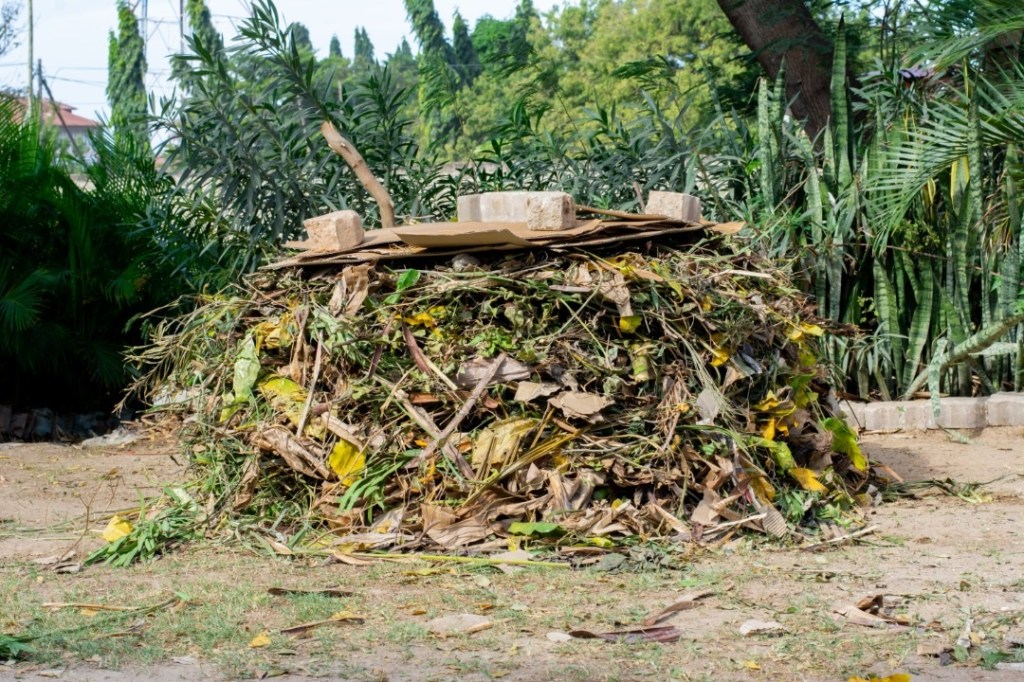
Ensure you have at least two bins in your kitchen, one for biodegradable waste (you may want to separate kitchen waste and paper) and other bins for non-biodegradable waste, and teach your household members the difference. There is no need for plastic bags to line food scrap bins – simply rinse your bin out after emptying on compost heap!
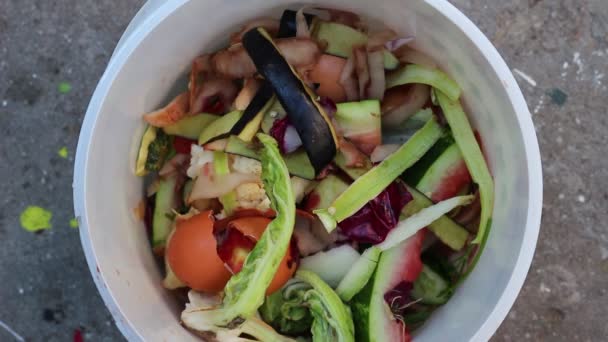
If you have a garden, make a compost heap where you put food peelings and scraps from this bin, leaves swept from paths, and the sorts of paper which will break down quickly (ie not lined with plastic).
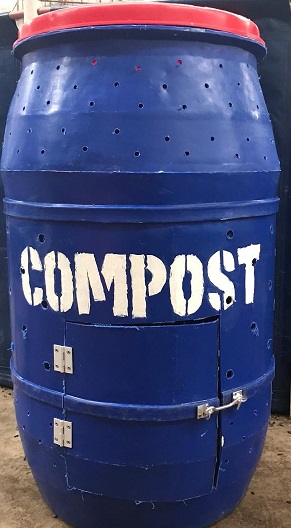
A simple compost heap will do, but if you want to keep your composing to a more contained space, you may consider a compost bin available from The Recycler.
If you live in an apartment block with a garden, discuss with your building managers and staff how to organize composting for the whole building.
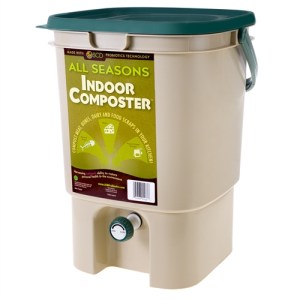
You may also consider indoor composters such as Bokashi bins for breaking down kitchen waste if you don’t have access to space for composting in the garden.
Bins from BioBuu may become usable at household level, allowing you to produce chicken feed using black soldier flies which eat food waste.
Re-cycle
Recycling is a good option, but only if you have already explored the reduce and reuse options, which are much better. Re-cycling can often use fossil fuel energy and there is often an over-supply of items for recycling relative to capacity to recycle. The Recycler is a great resource and includes lists of places in Dar es Salaam where you can drop off white paper, cardboard, plastic bottles, cans, glass, clear plastic wrap/nylon, as well as a guide to what types of items are acceptable for recycling and not.
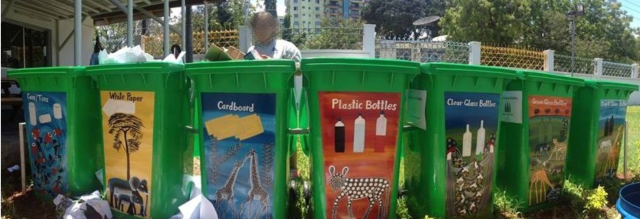
Responsible disposal – reducing, reusing and recycling are all better than disposal in landfill. However, disposal in landfill is better than littering, burning or even worse, disposal in the sea. Burning waste puts toxic chemicals as well as carbon dioxide into the air, damaging our health and the climate. Plastic in the ocean remains there for hundreds of years, including as small plastic particles which can poison fish and birds and enter the food chain. Plastic (including straws, flip flops, polystyrene, plastic bottles and plastic bottle caps Ref: Nipe Fagio ) litter our beautiful beaches in Dar es Salaam. Never throw plastic in the sea or on the beach.

Developed by Elaine in 2019. Contact me on Mastodon if you’d like to help update this website mastodon.ie/@ElaineActivism . If you don’t have a Mastodon account, you can join here mastodon.social
 Kijanisha Dar ! - Dar Green Guide